
Birth Control Side Effects: The Hidden Costs of Hormonal Contraception
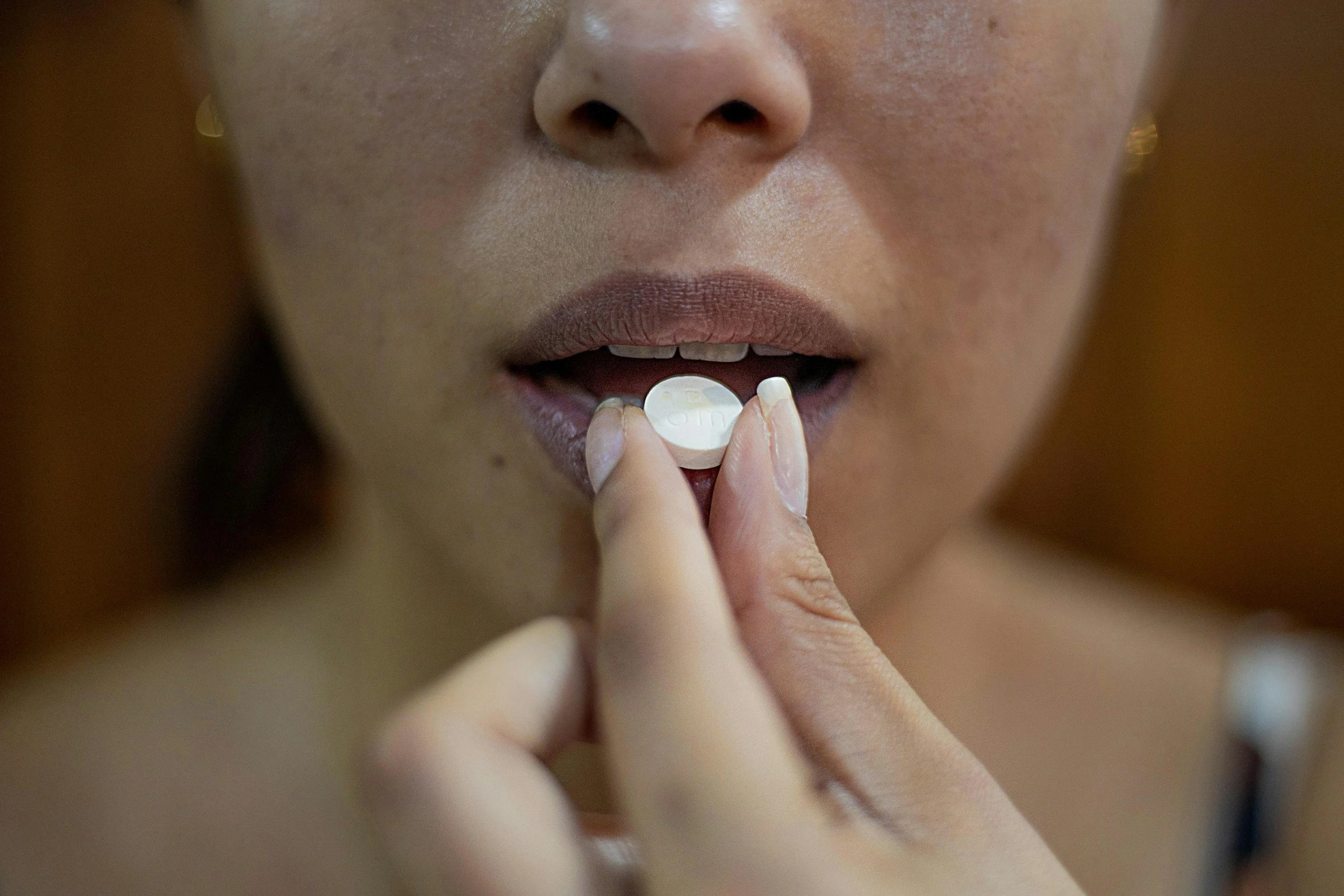
Hormonal birth control is one of the most commonly prescribed medications in the world, yet most women are never given full, informed consent about how it actually works or what it may cost them long-term. It is handed out casually, often in five-minute appointments, not only to prevent pregnancy but to “regulate” cycles, reduce period pain, clear acne, or smooth out hormonal symptoms.
For many women, the pill, patch, shot, ring, or hormonal IUD is framed as a benign solution or even a form of hormonal support. In reality, hormonal birth control is not a medication that heals anything. By design, it suppresses a healthy, functioning fertility system. That matters more than we have been taught to question.
This article is not about black and white choices, it’s about informed consent. It’s not to shame anyone for their choices or act like what I think is “right”. It is about restoring informed consent so that every woman understands what hormonal birth control does, what it does not do, and what tradeoffs she is making when she uses it.
Hormonal Birth Control: Anti-Fertility = Anti Health
Hormonal birth control works by suppressing ovulation. Ovulation is an indispensable for optimum sexual health for women. It is a central hormonal event that coordinates communication and health between the brain, ovaries, thyroid, bones, metabolism, immune system, and nervous system.
When ovulation is shut down, the body no longer produces estrogen and progesterone in their natural rhythmic pattern. Instead, synthetic hormones flatten and override this feedback system. This suppression is precisely what prevents pregnancy, but it also means the body is no longer receiving accurate hormonal signals or functioning optimally for overall health.
Because fertility is a vital sign, suppressing it comes with systemic consequences. Something that is fundamentally anti-fertility is, by definition anti-health at the biological level. That does not mean it is always the wrong choice, but it does mean the choice deserves transparency.
Hormonal Birth Control Does Not Heal the Cycle - It Masks Symptoms
Hormonal birth control is frequently prescribed as a treatment for period pain, irregular cycles, acne, endometriosis, PCOS, and heavy bleeding. While symptoms may improve, the underlying condition is not being addressed, and often recurs once the hormonal contraception is stopped.
The pill can not regulate your cycle, heal your cycle or lead to long term health improvements.
This distinction matters because symptoms are information. Painful periods, irregular bleeding, cystic acne, or hormonal swings are signals pointing toward an underlying imbalance. Sometimes symptoms can have a simple fix, and sometimes they need you to go deeper. Hormonal birth control silences the signal without resolving or addressing the root cause.
In acute situations, masking symptoms can be the best short term option. There are moments when pain is unbearable or life circumstances require temporary relief. The problem arises when short-term symptom suppression is framed as long-term healing, and women are never told that another option exists.

What a Withdrawal Bleed Really Is (and Why It’s Not a Period)
One of the most misunderstood aspects of hormonal birth control is bleeding. Many women are told that the monthly bleed they experience on the pill is a period - it is not.
This illusion of a period is actually called a withdrawal bleed and it occurs when synthetic hormones are paused or reduced, triggering the uterus to shed its lining. Ovulation did not occur, and the hormonal sequence of a natural menstrual cycle never happened. This bleed does not confirm hormonal balance, fertility or reproductive health.
Calling a withdrawal bleed a period creates a false sense of security and obscures the fact that ovulation has been suppressed, and your reproductive system is virtually shut down.
Why Women Need to Ovulate Every Month for Long-Term Health
Ovulation is not only about fertility - so it matters whether or not you ever intend to have a baby. It is a cornerstone of bigger picture female health across the fertile years.
The natural rise and fall of estrogen and progesterone supports bone density, cardiovascular health, brain function, mood stability, metabolic health, immune resilience, stress response and so much more. Progesterone in particular plays a key role in calming the nervous system, supporting sleep, and balancing estrogen’s effects.
When ovulation is suppressed for years at a time, the body loses access to these protective benefits. All of the bodily biomarkers that allow the cycle to function as a monthly report card for health are silenced.
This does not mean every woman must ovulate at all times in her life as there are seasons when it naturally pauses (like pregnancy) or pauses due to the choice to take hormonal birth control. What it does mean is we deserve to understand what we are giving up when we choose not to.
Commonly Overlooked Side Effects of Hormonal Birth Control
Hormonal birth control has been associated with nutrient depletion, gut health issues, changes in libido, mood disturbances, increased anxiety or depression, suicidal thoughts, blood sugar dysregulation, thyroid disruption, and changes in partner attraction. Some of these you may be aware of but many women are never warned about some of the deeper potential side effects.
Research has indicated that using hormonal birth control, even for as short as 6 months can actually shrink your clitoris and thus your potential for sexual pleasure.
A study done on exotic dancers, clearly showed that women who were cycling naturally earned more overall and especially around ovulation when we are naturally sexier and more confident. So stopping your natural hormonal flow can even impact your earning potential and how you show up in the world.
When side effects appear, they are often dismissed as unrelated, minimized, or framed as individual sensitivity rather than a predictable outcome of disrupting endocrine function.
Again, this does not mean hormonal birth control is wrong for everyone. It means women deserve honest conversations about risks instead of marketing slogans about convenience and women’s rights.

Is Hormonal Birth Control Carcinogenic?
This is one of the most controversial and poorly communicated aspects of hormonal contraception.
The International Agency for Research on Cancer (IARC), part of the World Health Organization, classifies combined estrogen-progestin contraceptives as a Group 1 carcinogen, the highest level of carcinogenic risk, alongside substances like asbestos, lead and plutonium.
There is mixed research showing both increased and decreased risks for different types of cancer. Unsurprisingly, the research claiming this group 1 carcinogenic substance can decrease risks for certain cancers, is often sponsored by those who stand to loose big if hormonal birth control use slows.
What can’t be debated is the classification itself, and the fact that nothing in that “group 1” should be ingested on a daily basis - especially for years on end - if optimum health is your goal. Many women are never told this information, let alone given space to weigh it thoughtfully for themselves.
Informed consent means being trusted with the full picture, then allowing you to make a decision when you have all the facts.
Hormonal Birth Control & Being Illiterate of Our Own Bodies
One of the quieter costs of hormonal birth control is the erosion of body literacy. When symptoms are silenced and cycles are flattened, women lose the ability to read and understand their own wombs and hormonal patterns.
Learning womb literacy empowers you to make informed decisions about and advocate more effectively for your own sexual health.
When side effects arise from the artificial hormones, or fertility becomes a concern later, many women feel betrayed by their bodies or lose trust in natural birth control altogether. The issue is the lack of education and sexual education.
Informed Consent Means Choice
This conversation is not about fear-mongering or moralizing contraception. Hormonal birth control may be the right choice for some women at certain points in their lives.
What must change is the assumption that it is neutral, harmless, or the only responsible option. Women deserve to know that hormonal birth control is not a vitamin, not a cure, and not a long-term solution for hormonal health.
If you choose to use hormonal birth control, there are ways to support your body alongside it. You might pay special attention to supporting your liver which bears a large part of the physiological burden of processing the artificial hormones. You might focus on making sure you have a diet which replaces the nutrients the hormonal birth control depletes. You might focus on optimizing gut health and so much more. So there is absolutely a way to take hormonal contraception in a more empowered way.
If you choose to avoid it, many women are not informed that there is an evidence-based, effective alternative rooted in fertility awareness and true empowerment.
Ready to say goodbye to Side Effects & Say Hello to Natural Birth Control that Works?
If you’re curious if natural birth control would be a good fit for you, take a couple of minutes to understand all the considerations. If you are still on the fence, feel free to book a free call with me to discuss your unique situation.
If you are ready to reclaim your power, and sovereignty, and say goodbye to hormonal side effects for good, check out The Natural Birth Control Blueprint. This science backed program teaches you everything you need to know about natural birth control that is 99.6% effective - just as effective as the pill. With one on one support, you will have all the tools you need to enjoy a lifetime of hormone free birth control freedom.